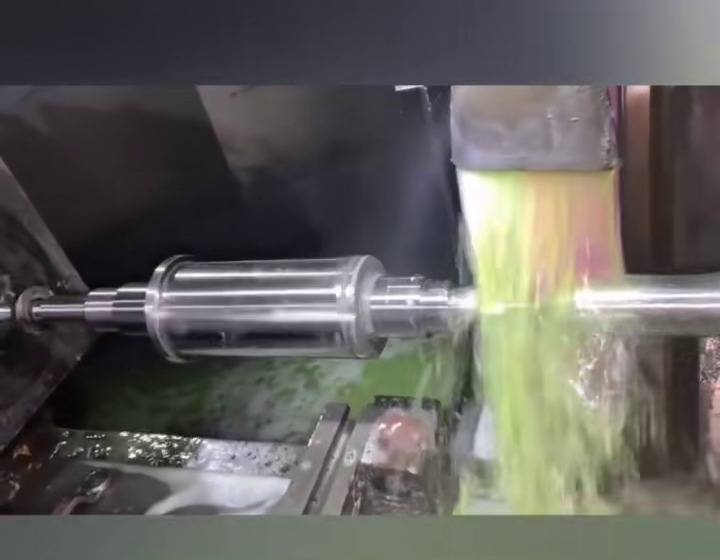
Precision CNC Turning & Grinding
Turned parts that need a finer finish or a closer diameter. Grinding follows turning where the drawing calls for it, with inspection before the parts leave the shop.
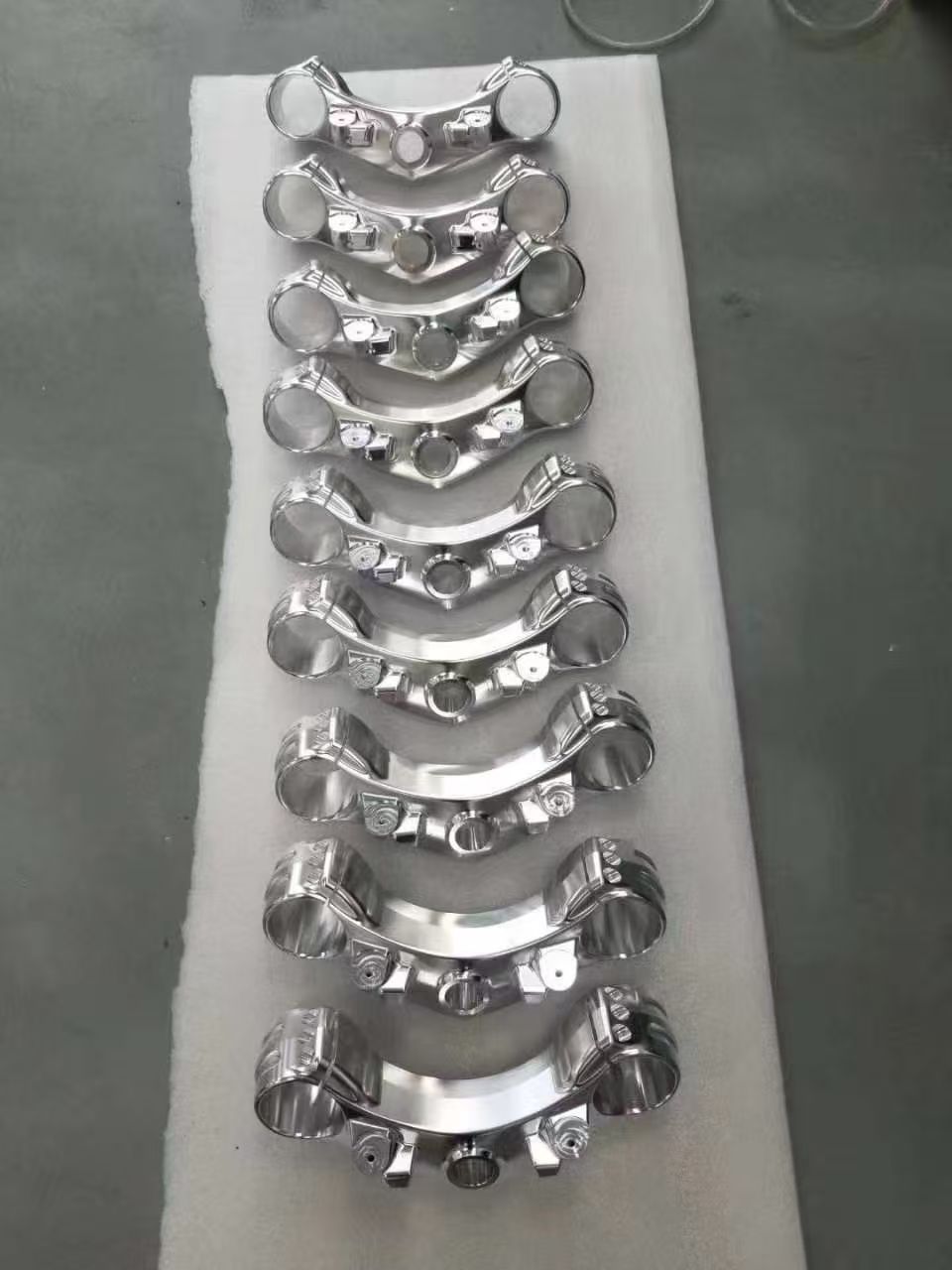
Turn first, grind where it matters
Turning removes stock quickly. Grinding is the step you add when the surface finish or the diameter needs more than a cutting tool can hold. We quote both routes together so you can see the cost of each.
- Cylindrical surfaces after turning
- Bearing seats and shaft journals
- Surface finish called out on the print
- Inspection against the stated feature
Turning and grinding overview
Grinding enquiries need the surface requirement stated.
| Process | CNC turning, followed by grinding where specified |
|---|---|
| Typical parts | Shafts, journals, rings, bearing seats |
| Hardened parts | Steel after heat treatment, provided the drawing leaves grinding stock |
| Batch work | Repeat batches run on the same route with the same checks each time |
| Finish requirement | Take the Ra value from your drawing |
| Diameter control | Confirm the critical feature before quoting |
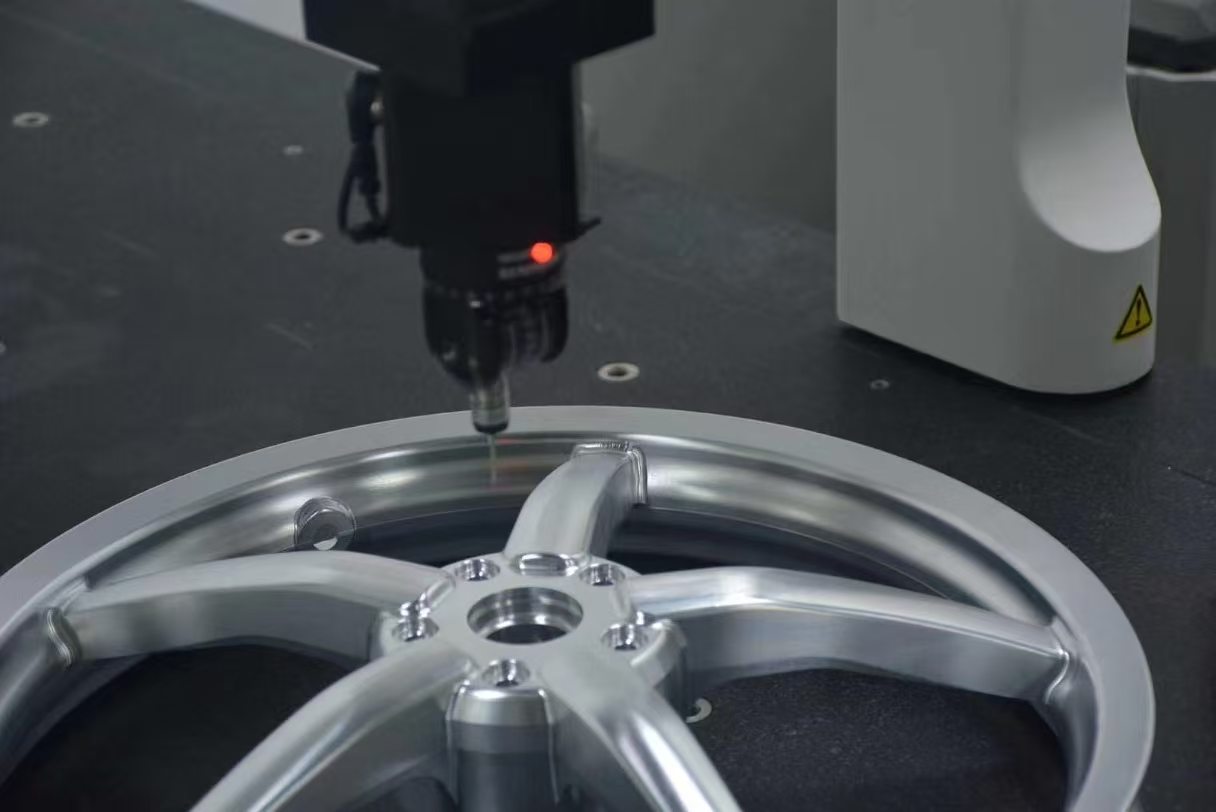
| Inspection | Method chosen to suit the feature and drawing |
Values are agreed against your drawing and material grade. Send the print and we will confirm what we can hold before quoting.
Ground and turned
Parts where finish and diameter both matter.
Grinding questions
How do I specify a grinding requirement?
Mark the surface, give the diameter tolerance and the surface finish value. A note like 'grind all over' is harder to price than a called-out feature.
Can you grind parts we have already turned?
Send the drawing and the current condition of the parts. We will confirm whether they have enough stock left to grind.
What if the drawing has no finish value?
We will ask. Guessing a finish is how parts get rejected later.
Why grind after turning instead of turning to final size?
A cutting tool leaves tool marks and works best on softer material. Grinding takes the last small amount of stock off and holds the finish and the roundness on the features that need it. For many parts, turning alone is enough and grinding would only add cost, which is why we quote both routes.
Can you grind hardened steel?
Yes, that is what grinding is mainly for. Parts are turned first with grinding stock left on, then heat treated, then ground to the called-out features. Tell us the material grade and the hardness the drawing asks for, and we will confirm the route before quoting.
What information makes a grinding quote faster?
Three things: the surface marked on the drawing, the Ra value or tolerance on it, and the material with its heat treatment condition. With those, we can confirm the process route in one reply instead of a chain of questions.
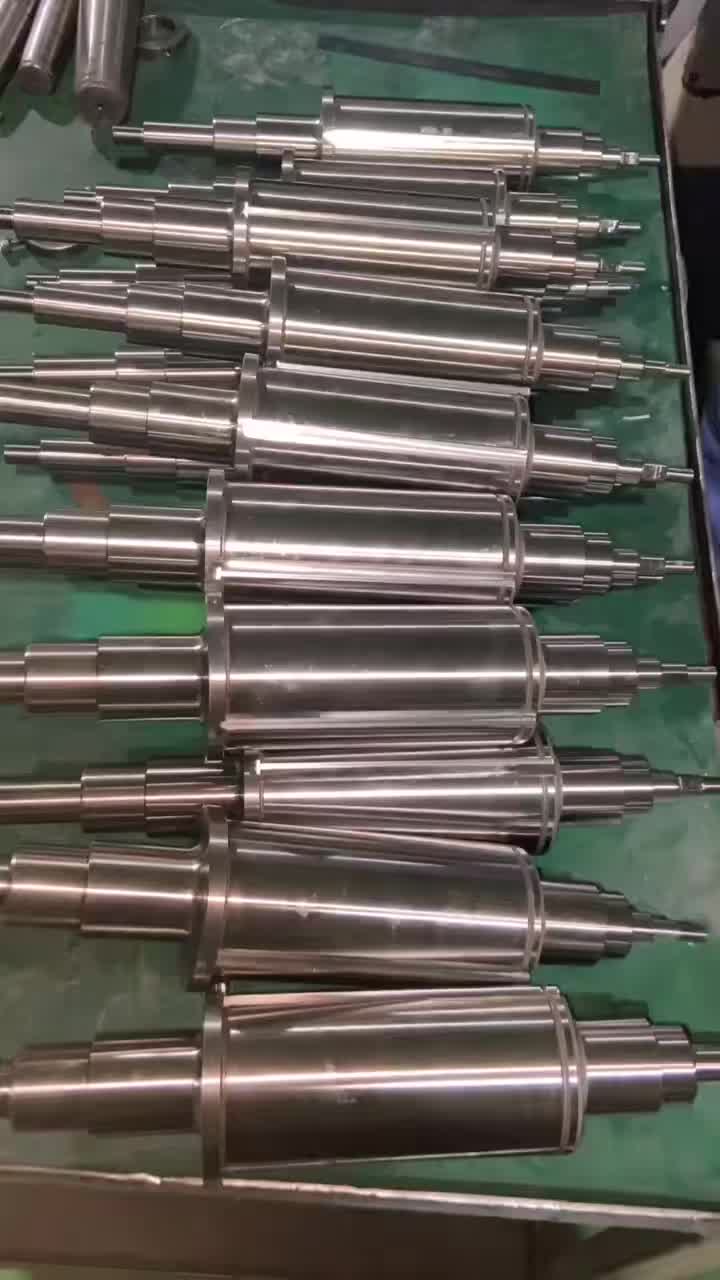
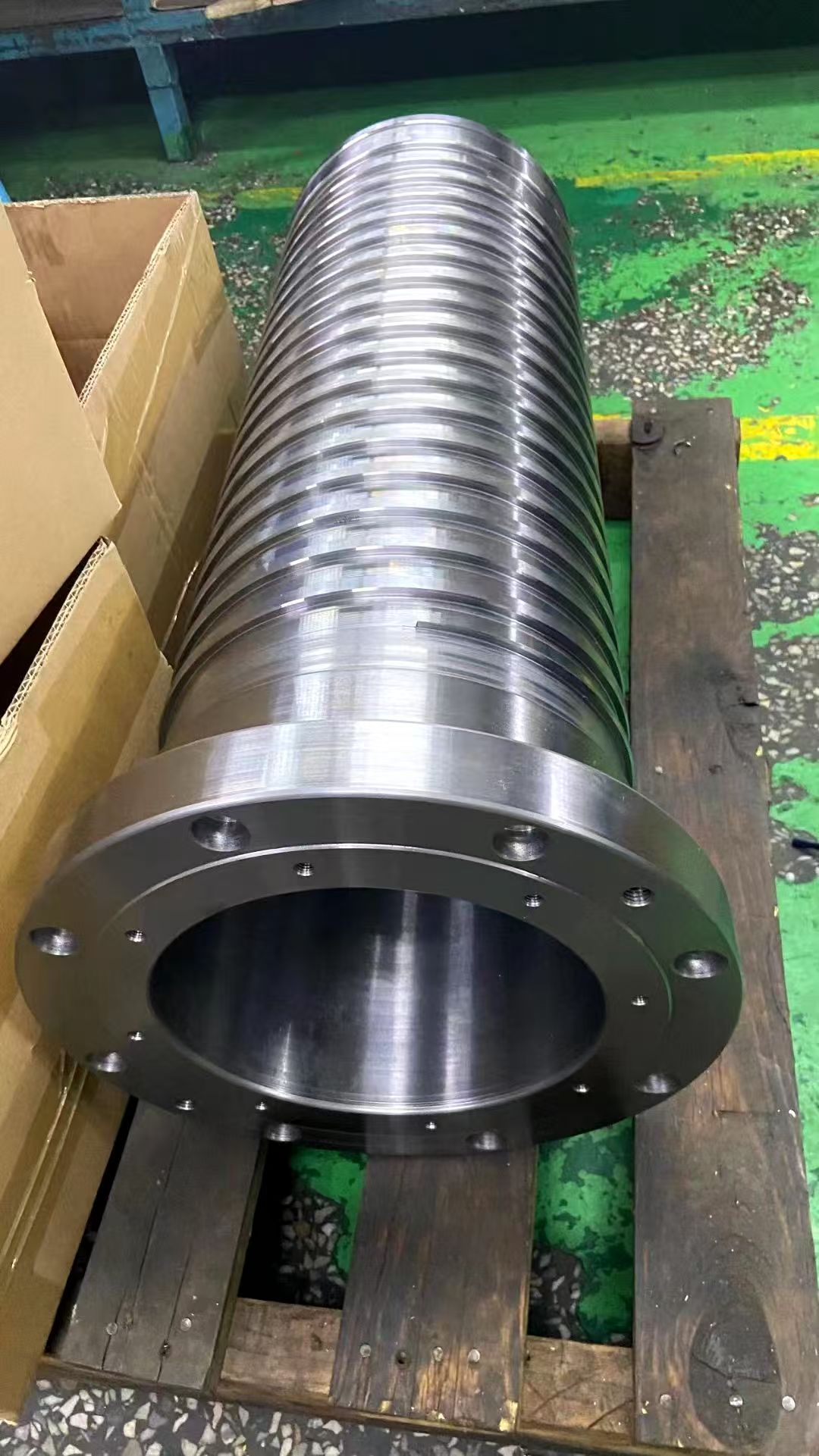
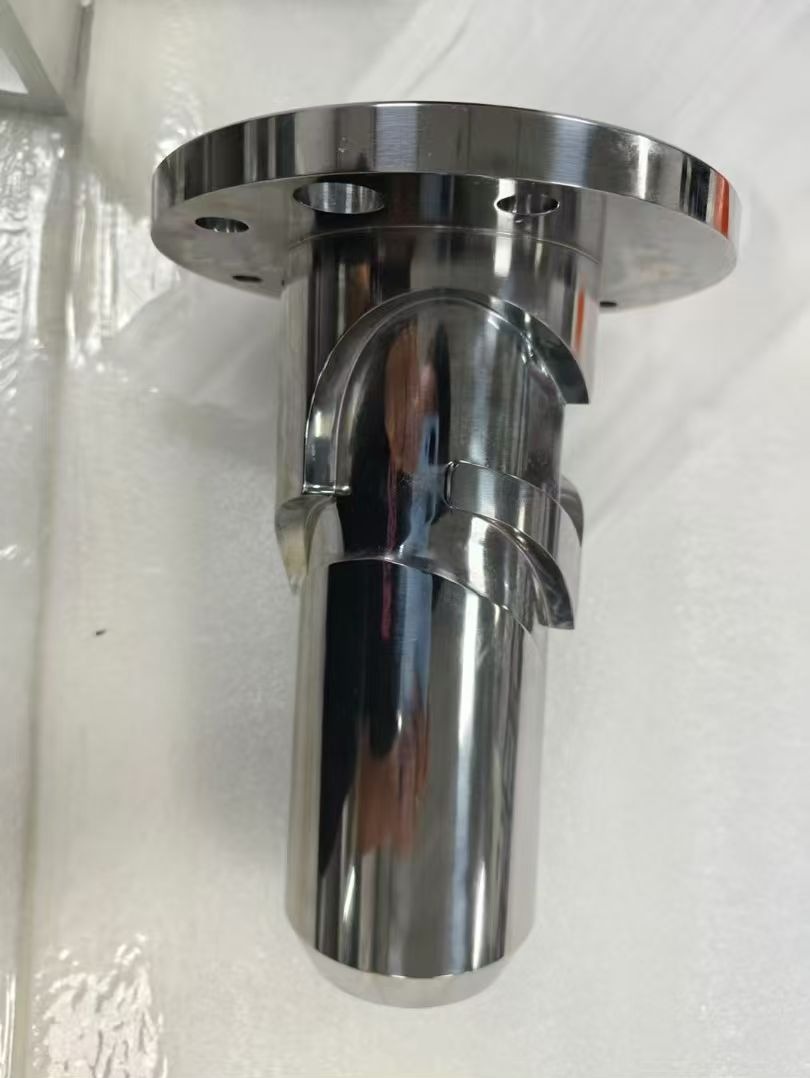
Ground shafts that have shipped
Batches of steel shafts leave the shop after grinding and inspection, machined from customer drawings. You can see more finished work on our shipped work page, and every batch follows the same rule: the drawing is the agreement, checked before dispatch.
- Ground shafts finished in batches and shipped
- Turned first, ground where the drawing calls for it
- Checked against the drawing before dispatch
Need a fine finish?
Send the drawing with the surface marked. We will tell you whether turning alone is enough.