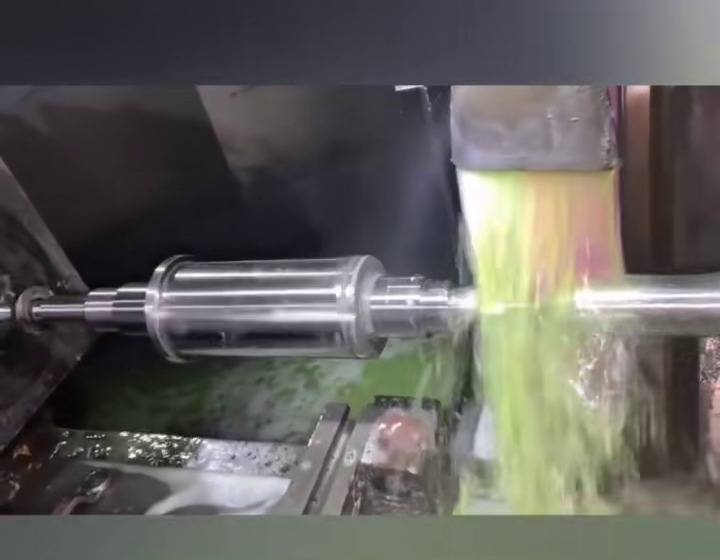
Precision CNC Turning & Grinding
Turned parts that need a finer finish or a closer diameter. Grinding follows turning where the drawing calls for it, with inspection before the parts leave the shop.
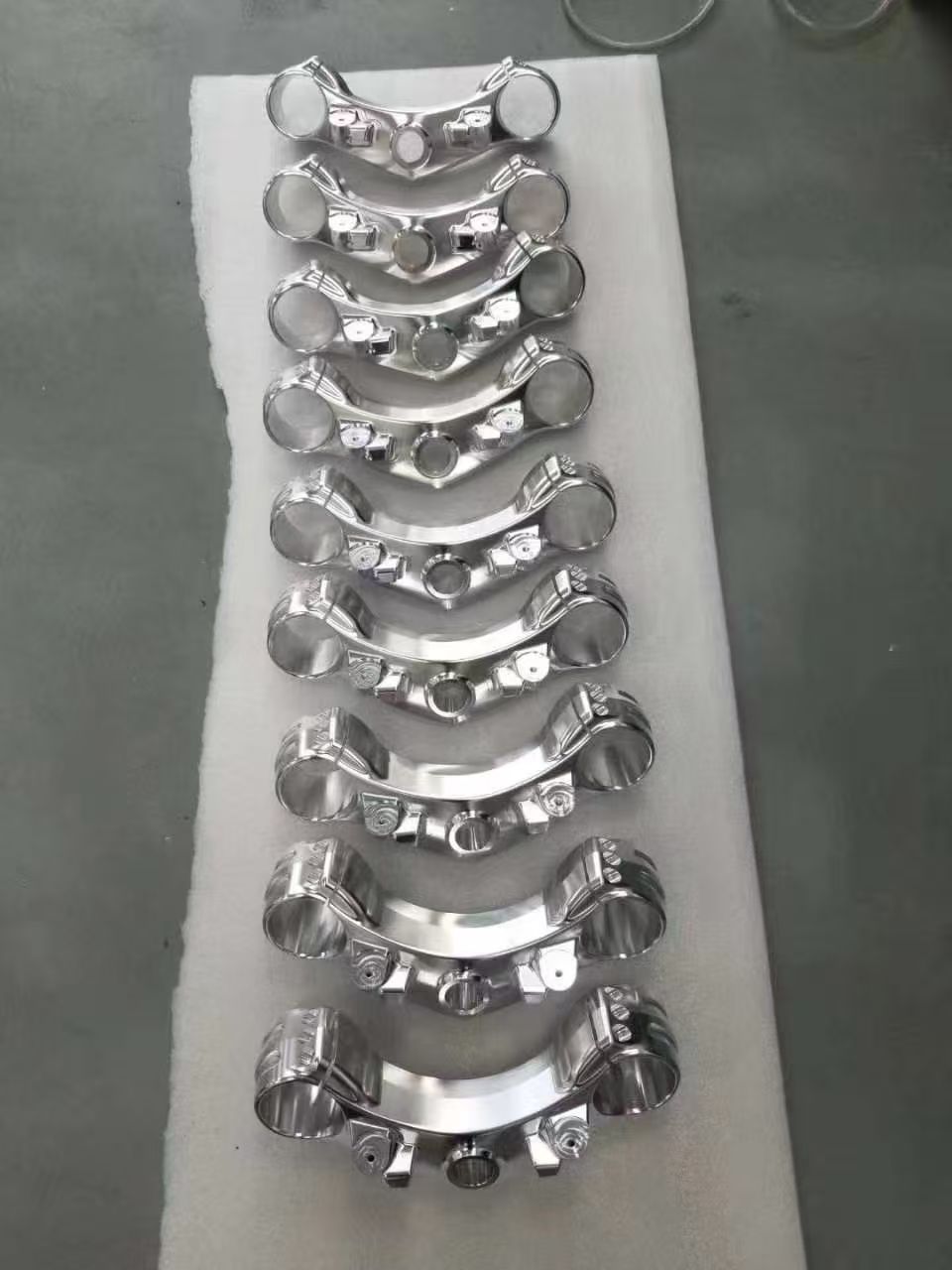
Turn first, grind where it matters
Turning removes stock quickly. Grinding is the step you add when the surface finish or the diameter needs more than a cutting tool can hold. We quote both routes together so you can see the cost of each.
- Cylindrical surfaces after turning
- Bearing seats and shaft journals
- Surface finish called out on the print
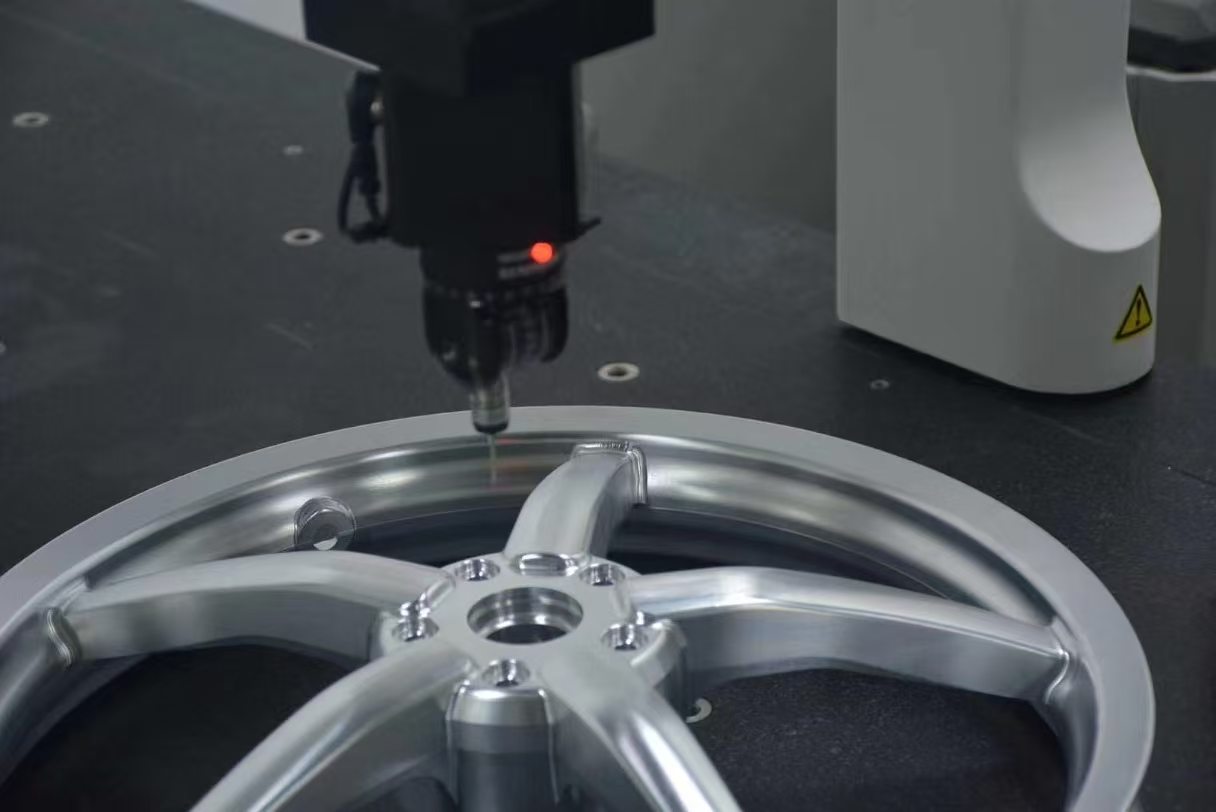
- Inspection against the stated feature
Turning and grinding overview
Grinding enquiries need the surface requirement stated.
| Process | CNC turning, followed by grinding where specified |
|---|---|
| Typical parts | Shafts, journals, rings, bearing seats |
| Finish requirement | Take the Ra value from your drawing |
| Diameter control | Confirm the critical feature before quoting |
| Inspection | Method chosen to suit the feature and drawing |
Values are agreed against your drawing and material grade. Send the print and we will confirm what we can hold before quoting.
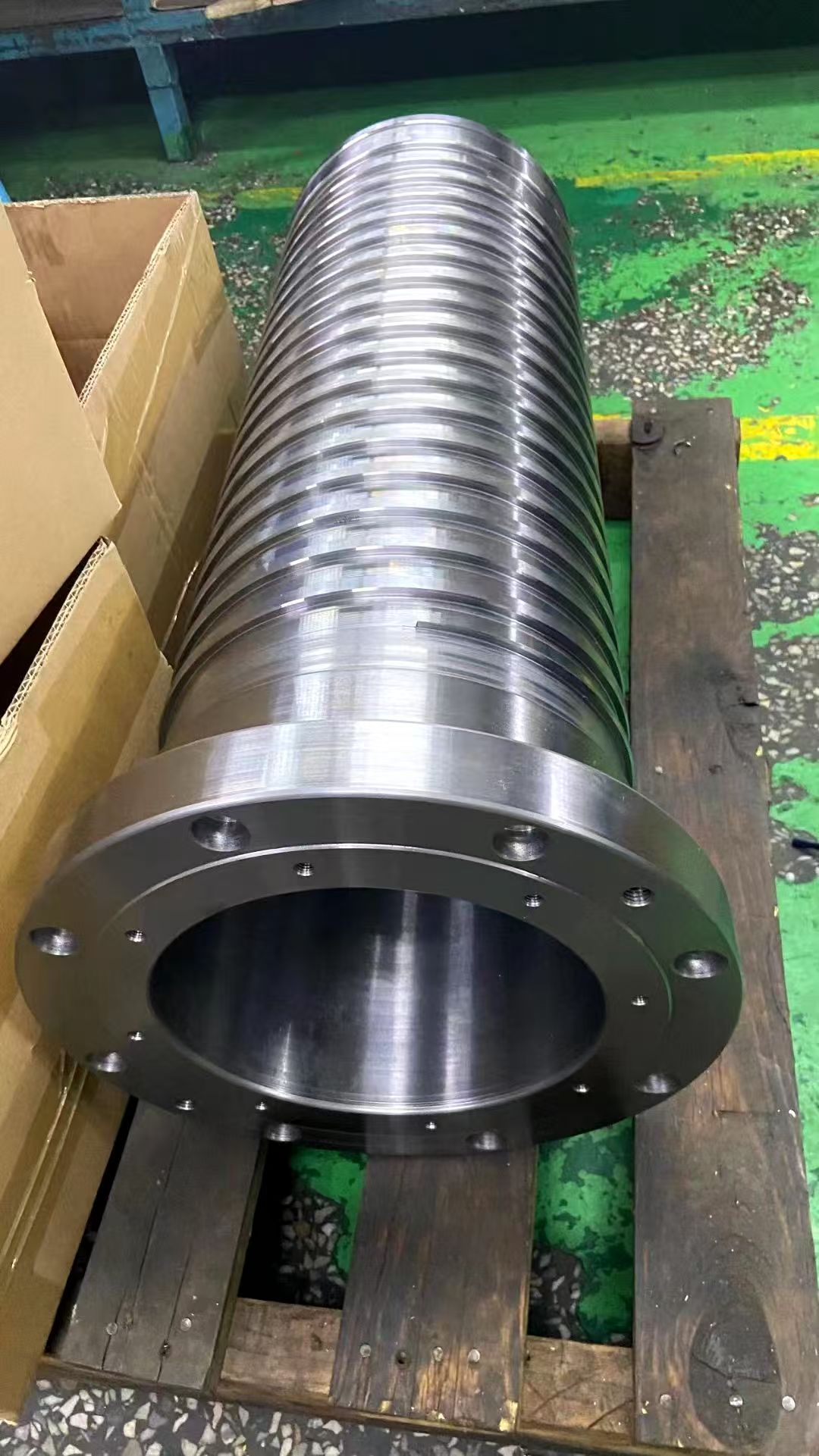
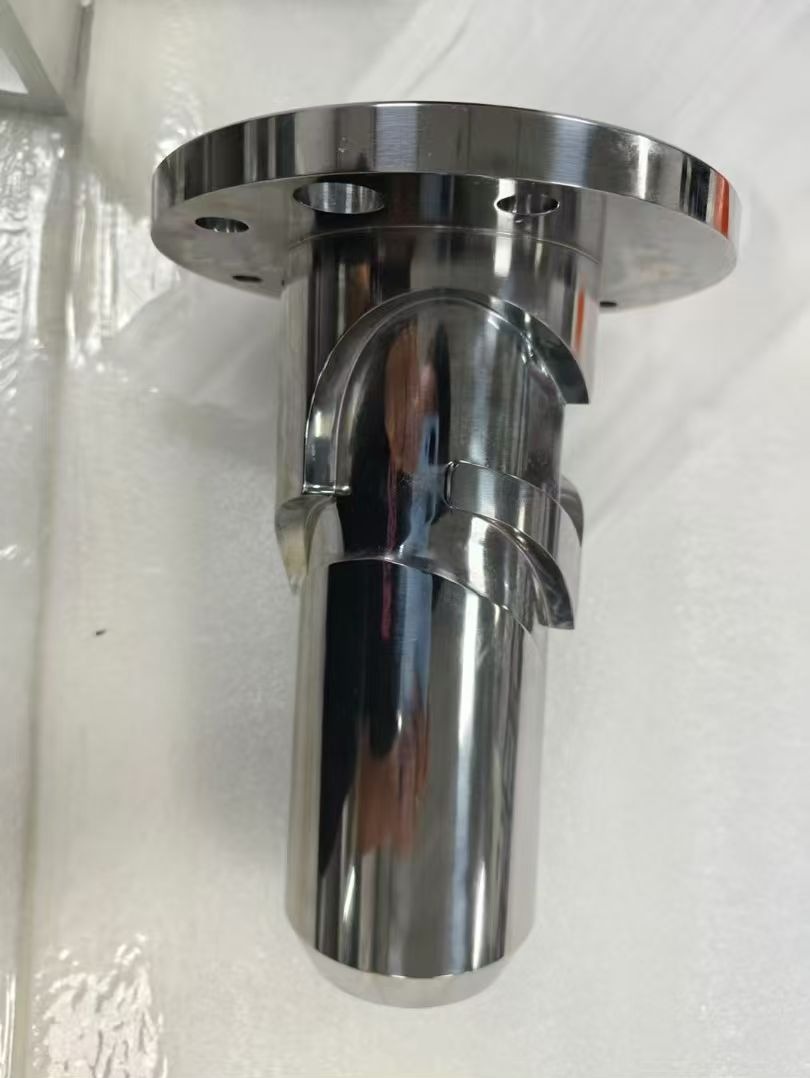
Ground and turned
Parts where finish and diameter both matter.
Grinding questions
How do I specify a grinding requirement?
Mark the surface, give the diameter tolerance and the surface finish value. A note like 'grind all over' is harder to price than a called-out feature.
Can you grind parts we have already turned?
Send the drawing and the current condition of the parts. We will confirm whether they have enough stock left to grind.
What if the drawing has no finish value?
We will ask. Guessing a finish is how parts get rejected later.
Need a fine finish?
Send the drawing with the surface marked. We will tell you whether turning alone is enough.